Check portraits before you share.
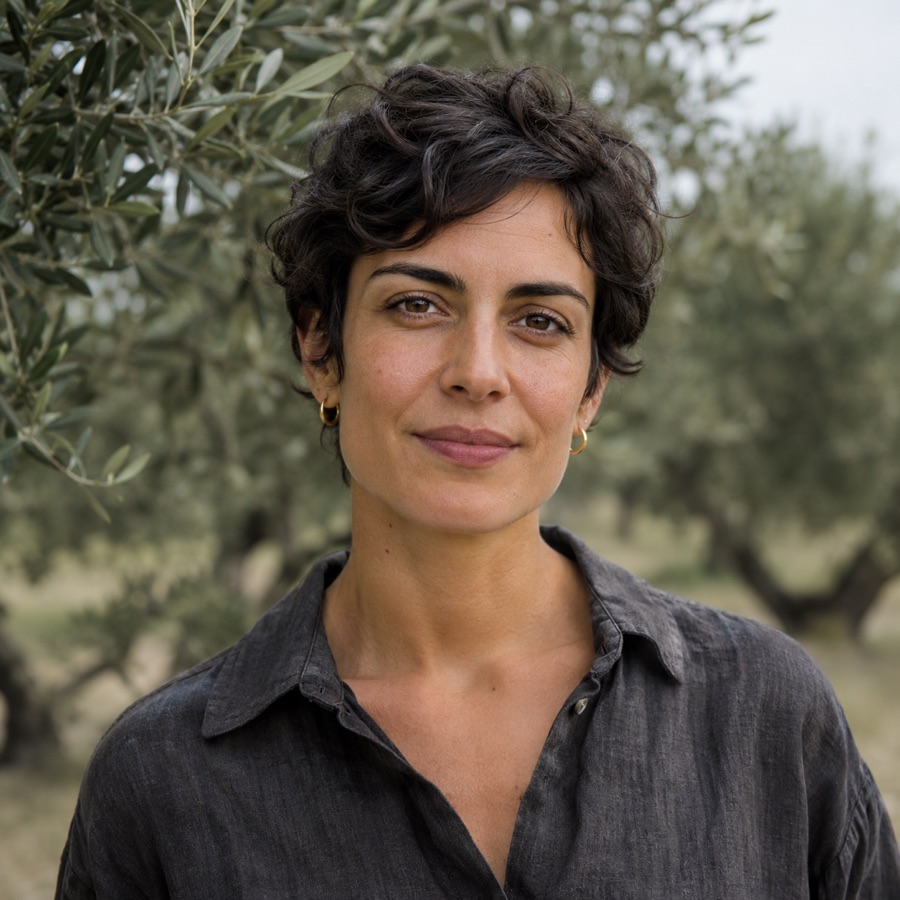
Before trusting a profile or sharing a portrait, check the image alongside its original source.
Check if a photo is AI generated. Upload an image for an assessment, classification confidence and an available heatmap.

A closer look at the images you share, publish and shop from.
Before trusting a profile or sharing a portrait, check the image alongside its original source.
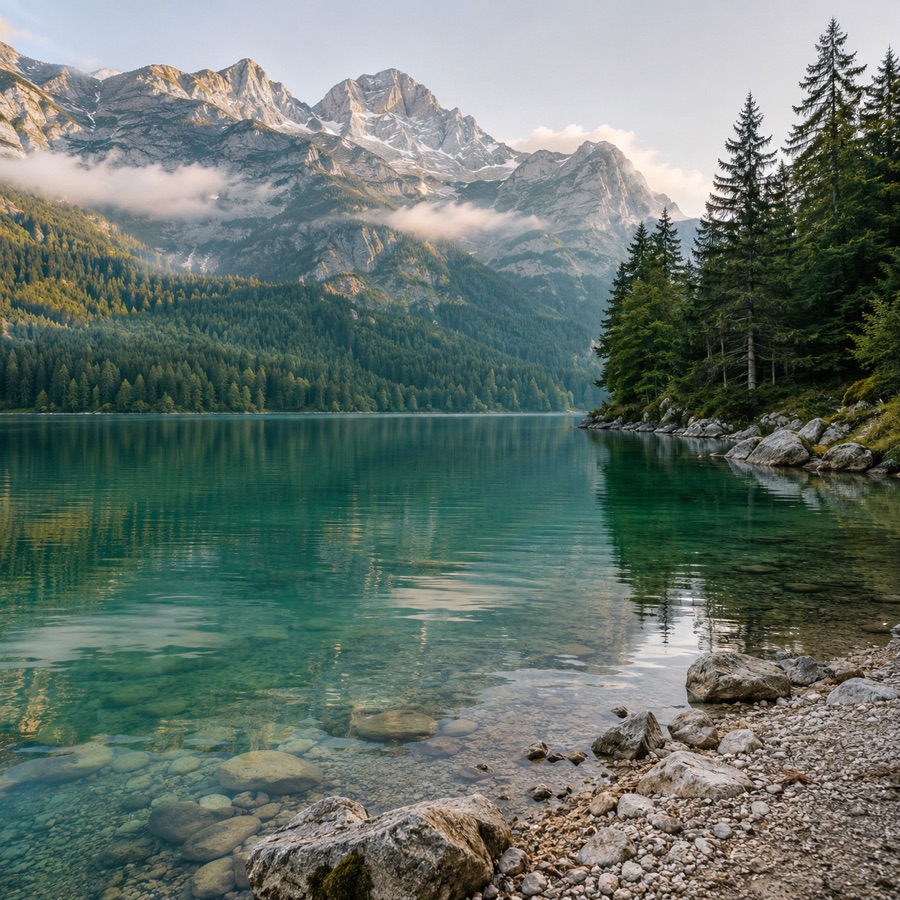
Before publishing a destination photo, look into how it was made and where it first appeared.
Before relying on a listing photo, check the image and ask the seller for the original.

Get a likely-AI, likely-real or uncertain assessment alongside the returned category and confidence. Use the result to decide what to verify next.
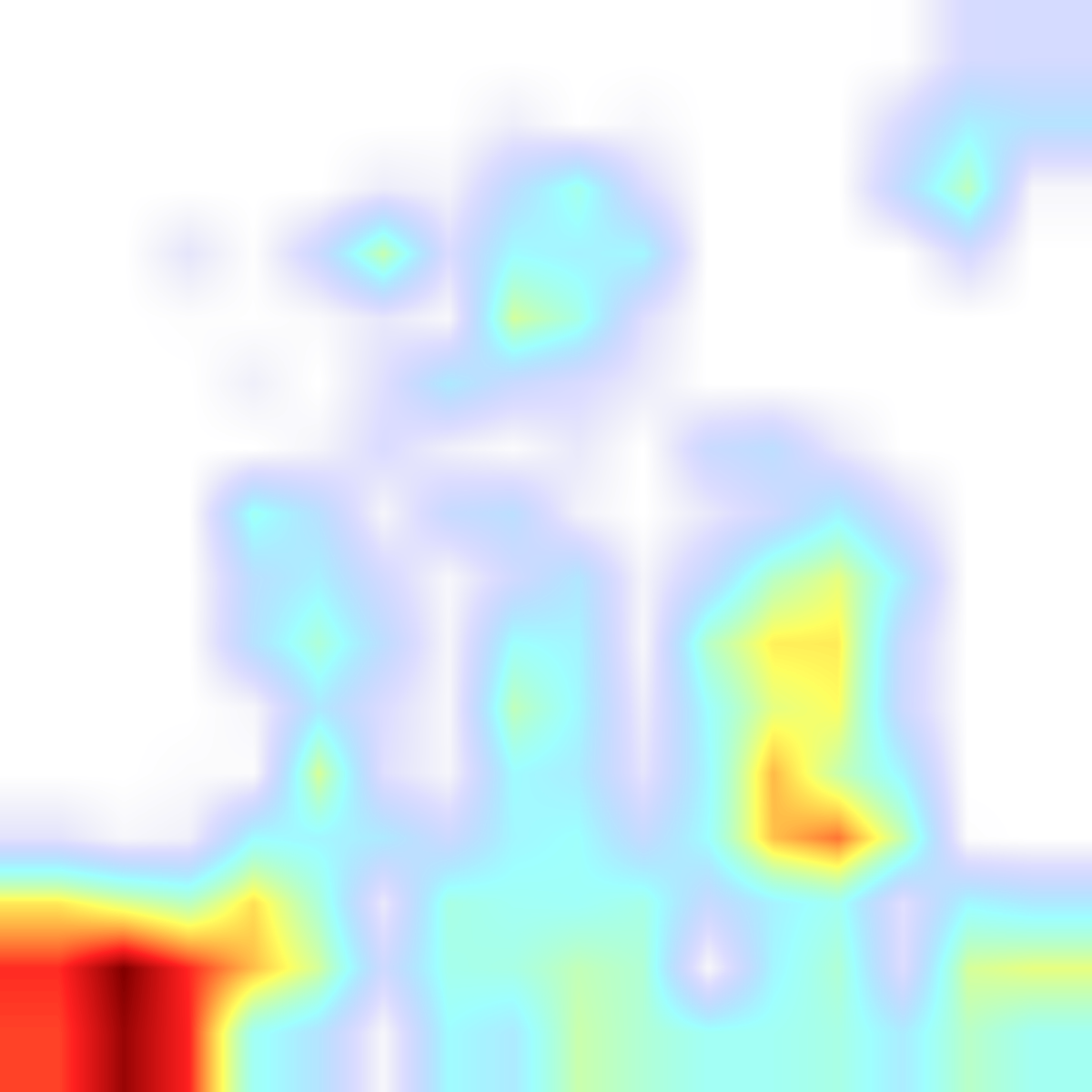
When a heatmap is returned, compare it with the original image and inspect its regional signals. Switch views or drag the divider to see the difference.
How to read a result
Start with the best-quality version you can obtain. An original download usually carries more visual information than a small screenshot. Our AI photo detector accepts one image at a time; upload a local file. A public image URL can also be used when the active detector supports it.
Choose a JPG, PNG or WebP file from 1 KB to 10 MB. Link input is available only with a compatible detector. Sign in with Google to use your free monthly allowance. Avoid sending private or sensitive images unless you are authorized to share them for analysis.
Select Analyze photo. The detector evaluates visual patterns in the image, then returns a confidence score. Keep the page open while the request completes. A failed check does not consume paid credits.
Review the score and its assessment, then compare it with the source, the original file and other available evidence. If the result is uncertain, do not turn it into a definitive claim.
The percentage shows confidence in a classification, not the share of AI pixels. Real and AI-generated classifications need at least 80% confidence for the corresponding assessment. Edited, unknown and lower-confidence results remain uncertain.
The image was classified as real with high confidence. Check its source and context before relying on it.
The image may be edited, or the evidence is insufficient. Keep the result uncertain and look for the original.
The image was classified as AI-generated with high confidence. Use the heatmap and source as supporting evidence.
An AI photo detector analyzes the visual content of an image and estimates whether it was generated by artificial intelligence. It gives you a useful signal when a photo’s origin is unclear, rather than a certificate that the picture is real or fake.
Photo Evidence is built for checking a photo before you share it, publish it, or rely on it. The AI photo detector sends the image to the configured AI-image analysis service and translates the returned score into three understandable outcomes. It does not identify the photographer, verify the event pictured, or establish who owns the image. A camera photo can still be misleading, and a generated illustration can be used transparently.
You can check a photo without knowing how it was made. Results can distinguish real, AI-generated, AI-edited and digitally edited images, with a region map when available. The tools listed here are examples of image generators, not a promise of source identification. A detection result cannot prove which generator, model version or editing tool produced an image. Look for the original file and creation records when provenance matters.
Explore the guideWhen provided by the active detector, results include generator scores and a private region map. Neither is guaranteed for every image. Source scores suggest a possible generator rather than proving origin.
Yes. AI photo detection can produce false positives and false negatives. A real photo may receive a high score, and a generated image may receive a low one. Heavy compression, resizing, screenshots, filters, illustration styles and newly released generators can change the signals available to the model.
We do not publish an accuracy percentage because we have not completed an independently labeled evaluation for this product. Do not use this AI photo detector alone for disciplinary, employment, legal or financial decisions. A more reliable check combines the original file, a credible source, any available Content Credentials and a documented explanation of how the image was made.
Sign in with Google for 3 free checks each calendar month. The allowance resets on the 1st (UTC). Free and paid checks use the same detector and result thresholds.
For more checks, buy a one-time credit pack. Purchased credits never expire. You spend one credit per successful check only when you select the paid option. Region maps and source scores appear when available.
PricingAI photo detector
Upload the photo to receive a confidence score and assessment. The AI photo detector can highlight evidence of generation, but it cannot give absolute proof. Check the original source before drawing a conclusion.
Look for a trustworthy original source, consistent context and any documented creation history. Visual clues can help, but unusual hands, text or lighting are not reliable proof on their own. Combine these observations with a detection score.
You can submit a screenshot saved as JPG, PNG or WebP. Screenshots, cropping and recompression can remove useful signals, so the original image is preferable when available. A low-resolution result should be interpreted cautiously.
This release uses a general AI-image generation model. It does not include a dedicated face-swap or identity verification service. An overall AI score should not be presented as a confirmed deepfake diagnosis.
You can submit images from these tools without knowing the source first. The current detector does not return verified generator attribution. Results and region maps need context, and new generator versions can affect detection.
Sign in with Google for 3 free checks per month. Buy a credit pack when you need more checks.
This site does not save the original image, filename or image URL. The image is sent to the configured detector. Returned region masks stay private for 24 hours for guests and 7 days for accounts. Signed-in history retains the assessment; shared reports exclude the original and mask and can be revoked.
An uncertain result means the returned category or its confidence does not support our likely-real or likely-AI assessment. It is a useful outcome when the evidence does not support a strong conclusion. Try to obtain a better-quality original and verify its source.
Start with one photo. Get a score, understand its limits, and make a more informed next move.